
Coding vs. No-Code: What Should Beginners Learn First
In the modern digital world, the ability to build websites, apps, and automation systems isn’t limited to programmers anymore. Thanks to no-code platforms, anyone can turn an idea into a digital product without writing a single line of code. But this shift raises an important question for beginners: Should you start by learning coding or dive into the no-code world first?
Let’s explore both sides — and help you decide which path makes the most sense for your goals.
Understanding Coding and No-Code
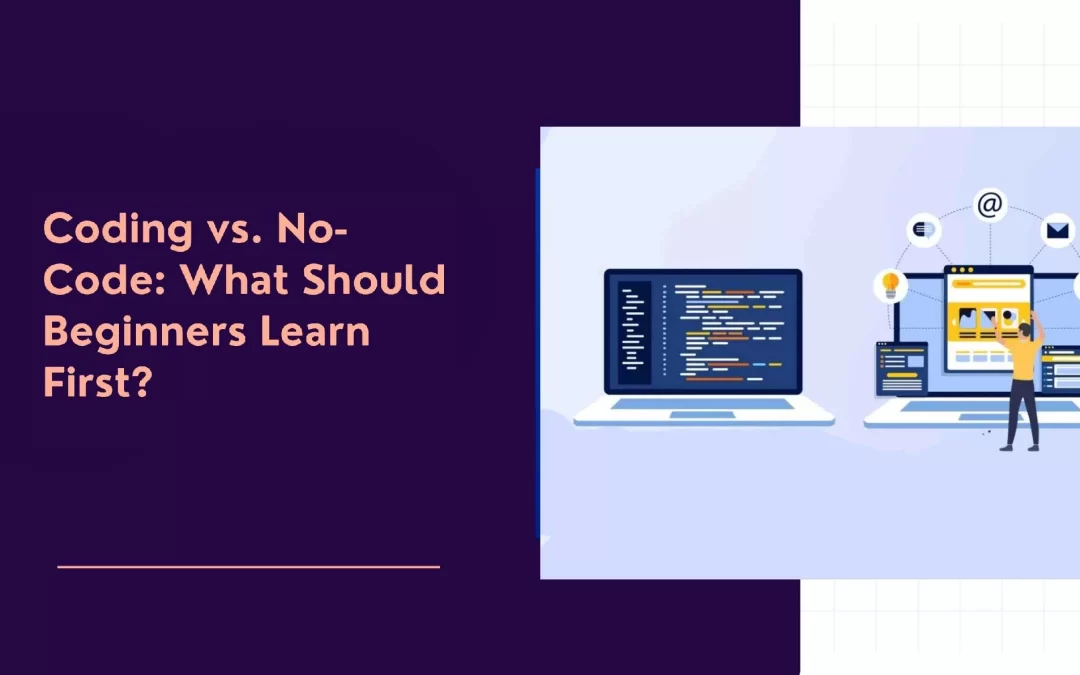
Coding involves writing instructions in programming languages like HTML, CSS, JavaScript, Python, or PHP. It’s the traditional way of building digital solutions — flexible, powerful, and completely customizable. Developers who master coding can build anything from scratch, whether it’s a dynamic website or a mobile app.
No-code, on the other hand, uses visual builders and drag-and-drop tools like Webflow, Bubble, Wix, or Shopify. These tools eliminate complex syntax and allow users to design and deploy apps or websites using pre-built logic blocks. It’s like assembling Lego bricks instead of carving each piece by hand.
Both approaches have their place — but the right starting point depends on what you want to achieve.
Why Beginners Love No-Code
- Instant Results:
With no-code tools, you can build a functional website or app within hours. This instant gratification keeps beginners motivated and helps bring ideas to life quickly. - Lower Learning Curve:
You don’t need to spend months learning syntax or debugging. The interfaces are intuitive, which allows you to focus on creativity and problem-solving. - Faster Prototyping:
Entrepreneurs and startups use no-code tools to test business ideas before investing heavily in development. You can create MVPs (Minimum Viable Products) fast and gather user feedback early. - Cost-Effective:
Hiring developers or agencies can be expensive. No-code tools democratize access to digital creation, letting individuals and small businesses build their own digital presence. - Integration-Ready:
Modern no-code platforms support APIs and automation through tools like Zapier or Make, making it easy to connect services and create workflows.
No-code is perfect if your goal is to launch quickly, save costs, or validate ideas without deep technical knowledge.
Why Learning to Code Still Matters
While no-code is powerful, coding remains the foundation of technology. Here’s why it’s still worth learning:
- Unlimited Flexibility:
No-code tools have limitations. When you know how to code, you can customize every detail — design, logic, performance, and scalability — without being restricted by platform features. - Career Growth:
Coding opens doors to in-demand professions like web development, software engineering, data analysis, and AI development. These skills will always remain valuable in the tech industry. - Better Understanding of Technology:
Learning code helps you understand how digital systems work behind the scenes — a critical skill even for non-developers in tech roles such as marketing or product management. - Problem-Solving Skills:
Coding teaches logical thinking and structured problem-solving — abilities that go beyond programming and apply to business, strategy, and innovation. - Ownership and Control:
With coding, you’re not dependent on external tools or subscriptions. You can host, modify, and scale projects independently.
If you want a career in tech or plan to build complex, scalable solutions, coding will give you a long-term advantage.
So, Which Should You Learn First?
Here’s a simple way to decide:
- If you’re an entrepreneur, marketer, or designer:
Start with no-code. It will help you bring ideas to life faster and understand digital workflows. Once you gain traction, learning basic coding (HTML, CSS, JavaScript) will help you scale your skills and customize your projects. - If you aim to become a developer or tech professional:
Begin with coding. It’s an investment that pays off in flexibility and job opportunities. However, don’t ignore no-code — understanding both makes you more versatile and efficient.
Think of no-code as the gateway and coding as the foundation. You can start simple and layer technical depth as your goals evolve.
The Future: Blending Both Worlds
The future of digital creation lies in hybrid skill sets. Many professionals now use both coding and no-code tools together — writing small scripts to extend the capabilities of visual builders. This combination enables faster workflows, innovation, and creative freedom.
For example, developers use no-code automation to speed up repetitive tasks, while entrepreneurs learn basic coding to tweak and personalize their websites. The boundaries are blurring — and that’s a good thing.
Conclusion
Whether you start with code or no-code, the most important thing is to start creating. Every click, drag, or line of code builds your understanding of how the digital world works. The best approach is the one that matches your goals, time, and curiosity.
At Seo To Webdesign, we empower creators, startups, and businesses to build powerful digital experiences — with or without code. Whether you’re just starting or looking to scale, our team helps you blend creativity with technology to turn your ideas into reality.