
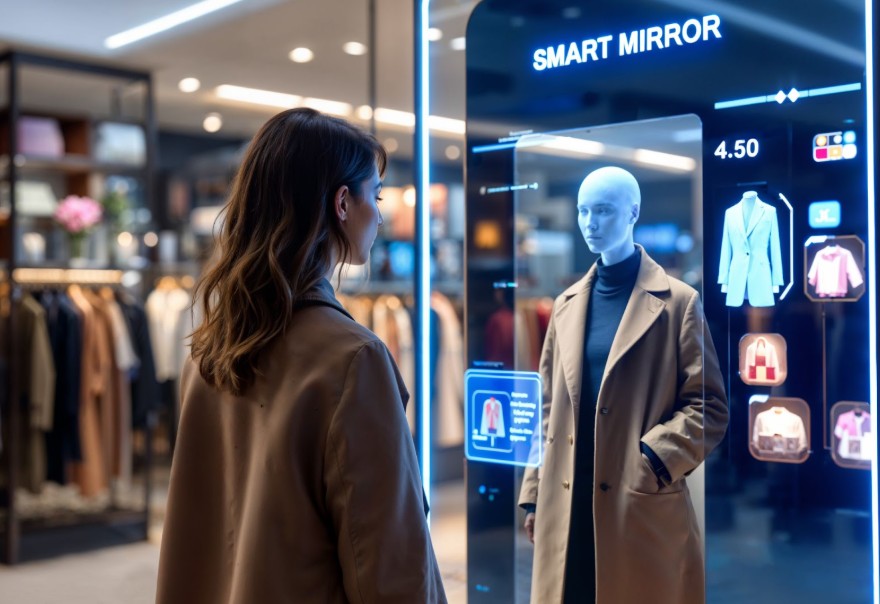
The advertising sector is changing massively—and artificial intelligence (AI) is in charge of it. AI makes it possible for brands to execute increasingly personalized, data-driven, impactful campaigns. With a vast array of intelligent capabilities, from predictive targeting to real-time bidding and dynamic creatives, the AI advertising space is reshaping how businesses engage with their audiences.
By 2025, utilizing AI for advertising will not be a choice, it will be a necessity. Let’s explore how some of the world’s best-known brands are successfully embracing AI advertising to gain increased return on investment (ROI), optimize media campaigns, and create remarkable customer experiences.
1. Personalized Advertising with AI: Reaching the Right User, Every Time

One of the most potent capabilities of AI in the advertising space is the ability to personalize content at scale. AI allows brands to no longer send generic or bland messages—and instead:
- Review user behavior in real-time
- Learn individual personal preferences through AI models
- Send ads that match an individual’s interests, location, device type, and even position in the purchasing journey
Example: E-commerce brands—such as Amazon—use AI to deliver tailored product ads based on browsing experiences and past purchases, dramatically improving clicks or CTR (click-through rates) and conversions.
Smaller businesses can take advantage of AI advertising, too. For example, with the help of targeting optimized by AI, Google Ads Smart Campaigns and Meta’s Advantage+ allow for ads to be tailored with minimal manual fare or input from advertisers.
2. Greater Audience Targeting and Segmentation

The days of broad demographic targeting are long gone. AI allows for intelligent audience segmentation by using machine learning algorithms that analyze:
- Buying habits
- Engagement type and amount
- Time of day they interact
- Past engagement campaigns
Availability of tools like Lookalike Audiences, predictive customer modeling, and behavioral clustering promotes advertisers to achieve their desired result of reaching high intent users who are more likely to convert.
AI doesn’t just find a market, it is constantly evolving a market- which means your ad spend has more utility, resulting in a return on ad spend (ROAS).
3. Automated Ad Creatives and Copywriting

Another huge area of change is creative development. AI tools already assist brands by:
- Writing ad headlines and descriptions
- Creating video and image variations
- A/B testing various creatives in real time
- Unifying content for different platforms and formats
For example, platforms such as Chat GPT, Copy.ai, and Canva Magic Write enable marketers to make quick work of copy and visual aimed at different audience touchpoints.Google and Meta’s advertising platforms now suggest and even in some instances auto-generate their own creatives based on the advertiser’s ad related object (ex. sales or reach), past engagement, using user feedback with speed to boost the building of the campaign.
4. Real-time analytics & predictive insights

AI takes advertising analytics to another level beyond impressions and clicks. The brand now has intelligence available for
- Predictive performance
- Real-time user engagement metrics
- Real-time budget re-tuning suggestions
- AI-created reporting dashboards
As a result, advertisers can take more data-driven actions instead of taking action based on gut instinct. AI can tell marketers what worked, what did not work, and predict what will work next.
For example, Google Performance Max campaigns automatically adjust bids, placement, and creative sort on the fly when signals come in allowing brands to achieve results while dramatically removing manual work.
5. Voice, visual, & conversational AI ads

Forward-thinking brands are testing voice-activated, visual-recognition, and chatbot-driven ads. These technology-driven ads help brands build richer and more interactive experiences.
- Voice search advertising: Providing optimization ideas and suggestions for ads where the user is saying in their query: “best gym near me,” using AI voice analytics
- Visual search: Using AI to understand products from images and serving related ads
- Conversational ads: Can include embedded chatbots within the advertisement to qualify leads, let them schedule demos, or answer common FAQs.
These advertising formats suit more niche verticals within Retail, Healthcare, Real Estate, and Education as they rely heavily on the need for personalization and warm user response.
Final thoughts: We have entered an AI advertising era.

There may not be a ‘land before time’ for brands as they advertise, however, there is a time that was, a time that will be and many times that are. From behavioral understanding and hyper-targeted campaigns to automated creatives and real-time optimizations, AI advertising is redefining the benchmark of efficiency and effectiveness.
For both startups looking to scale and established brands looking to optimize ad spend it is clear – AI is the tool that allows for an equal playing field.
- To realize genuine value, organizations must:
- Invest in suitable AI tools and platforms
- Marking ad strategies based on data
- Take a learning and test and learn approach
🚀 Future-Proof Your Digital Advertising with SEO TO Webdesign
At SEO TO Webdesign, we build and run AI-based advertising campaigns that generate meaningful business results.
Some of the services we provide include:
- Google & Meta Ads Setup with AI optimization
- Dynamic Creative Generation
- Custom Audience Segmentation
- Voice and Visual Search
- Real-Time Campaign Monitoring & Reporting
- With AI, we help you target smarter, convert faster and scale better.
📞 Let’s elevate your ad strategy with next-gen AI tools.
🌐 Visit us at www.seotowebdesign.com
📲 Follow us on Instagram: @seotowebdesign